ABB System Access Point 3.0
High-performance coordinating gateway engineered for local network control and mesh scalability.
Wireless hub supporting up to 150 devices with Matter and Thread integration. It delivers localized command processing without cloud latency, ensuring seamless synchronization across relays, switches, and climate automation systems.
Hardware Specifications
| Communication Protocols | Matter over Thread, Wi-Fi 802.11 b/g/n, Zigbee 3.0, Bluetooth Low Energy 5.2 |
| Operational Voltage | 100-240V AC (50/60Hz) or secondary 24V DC terminal input |
| Max Continuous Load | Up to 150 wireless nodes and 64 automated group scenes |
| Enclosure Material | Flame-retardant polycarbonate (UL94 V-0 certified) |
| Operating Temperature | -10°C to +50°C (14°F to 122°F) |
System Topology & Architecture
The ABB System Access Point 3.0 serves as the primary backbone controller in modern residential and light commercial spaces. By routing real-time telemetry across localized Thread borders, it prevents single points of failure and maintains scene execution even during external Internet outages.
Mesh Relay Node
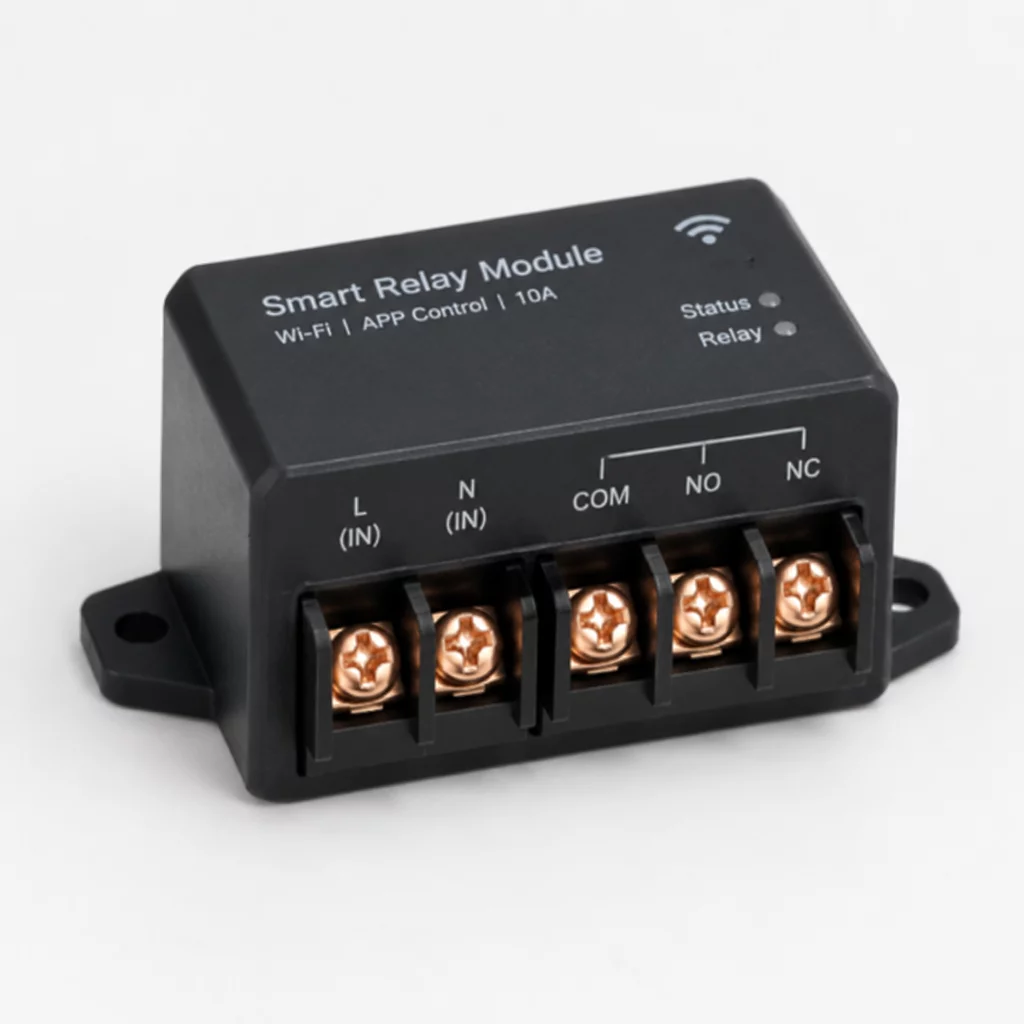
Acts as an active protocol repeating station extending localized IoT range across domestic switchboards.
Zero-Crossing Sync
Prevents inrush voltage arcs on capacitive driver circuits during high-frequency switching operations.
Local Key Storage
Stores network security tokens on hardware-isolated non-volatile microchips for offline safety.
Installation Guidelines
Follow standard electrical safety procedures during hardware integration. The unit easily snaps onto standard DIN rails within an electrical distribution cabinet or mounts flush on a wall surface using the included mounting template.
- 01Isolate line breaker upstream prior to touching any backplate electrical terminals.
- 02Connect neutral and phase wiring following standard 1.5mm² solid-core copper recommendations.
- 03Push configuration button once to broadcast commissioning beacon over localized radio mesh.
Request Hardware Dispatch
Submit project requirements to arrange direct hardware allocation and deployment specifications.
Related Hardware Modules